


















Orkhon Inscriptions
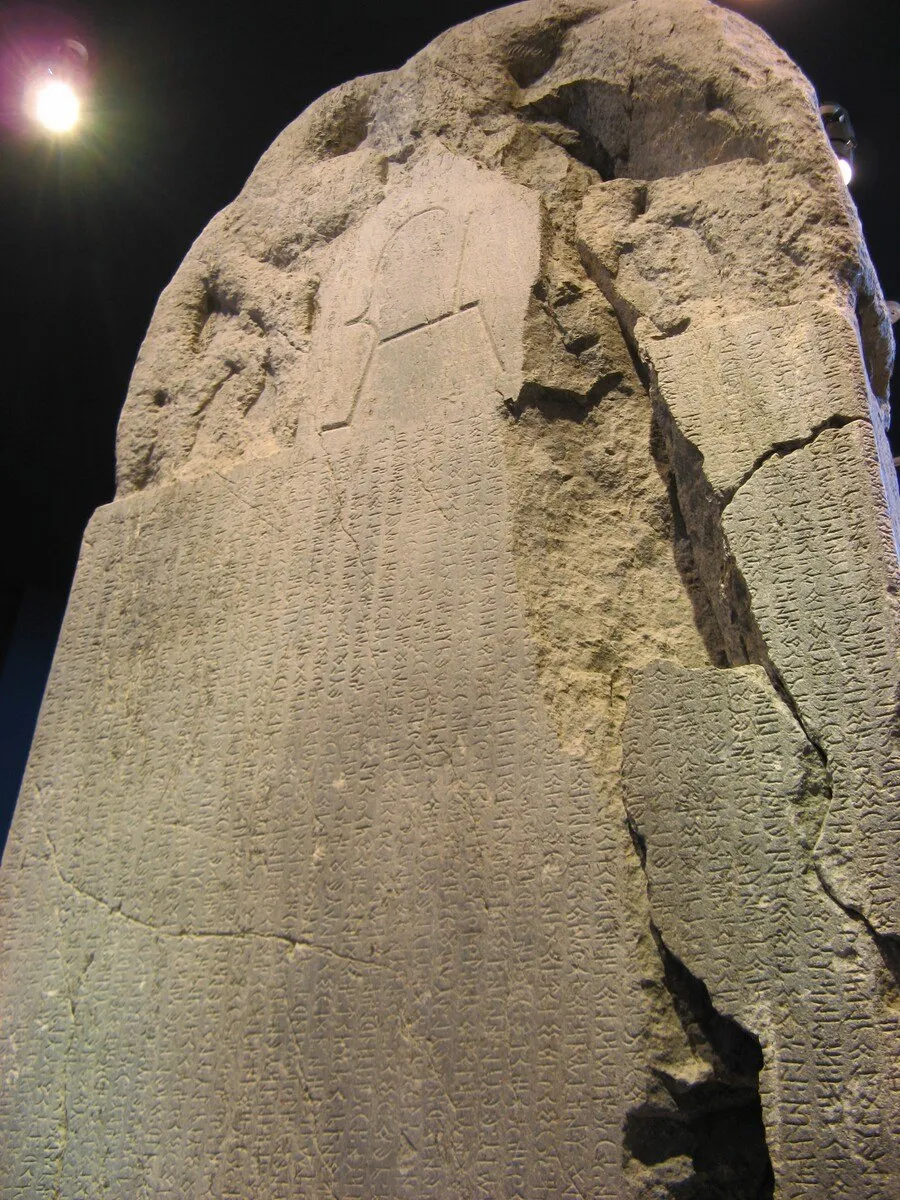
The Kül Tigin and Bilge Khagan inscriptions, located near the old bed of the Orkhon River in Central Mongolia, together with the contemporary Tonyukuk inscription; texts in the Göktürk script that relate the history of the Second Eastern Turkic Khaganate.
- Period
- 716–735
- Format
- Inscription
- Details
- Kül Tigin and Bilge Khagan inscriptions (Central Mongolia) · Tonyukuk inscription
- State
- Göktürk Empire
About the work
Of the inscriptions named after their location near the old bed of the Orkhon River, around Lake Kosho-Tsaidam in Central Mongolia, the Kül Tigin inscription is estimated to have been erected in 732, the Bilge Khagan inscription in 735, and the Tonyukuk inscription between 716 and 734. Although the Tonyukuk inscription lies 360 km east of the Orkhon River, it is counted among the Orkhon inscriptions because it belongs to the same period and deals with the same subjects. The TDV Encyclopaedia of Islam regards the Orkhon inscriptions as a kind of history of the Second Eastern Turkic Khaganate written by Bilge Khagan and Tonyukuk. According to an assessment based on Talat Tekin, these inscriptions may be said to be the oldest and finest examples of prose and oratory in Turkic.
The Kül Tigin inscription, erected by his elder brother Bilge Khagan, relates the lives of the heroes who founded the Second Eastern Turkic Khaganate and of their sons, and the struggles they waged to defend their country. The Kül Tigin inscription, seventy-one lines in all, contains nearly 10,000 letters; its western face bears the long Chinese address of the Tang emperor Xuanzong. The Bilge Khagan inscription is estimated to have been erected by his son Tengri Khagan on 24 September 735. The inscription erected by the vizier Tonyukuk relates the historical events of the period, the struggle for independence and Tonyukuk’s role in the successes achieved. The person who carved the Kül Tigin and Bilge Khagan inscriptions into the stone was their nephew Yolluğ Tigin.
Thirty-eight letters are used in the two great Orkhon inscriptions; the scholar who deciphered these letters was Vilhelm Thomsen. Thomsen published his study as Inscriptions de l’Orkhon déchiffrées in Helsingfors in 1896. Wilhelm Radloff’s publication Die Alttürkischen Inschriften der Mongolei appeared in St. Petersburg in 1894–1895. In Türkiye, Necip Âsım (Yazıksız) published the work Orhun Âbideleri in Istanbul on the basis of Thomsen’s edition. According to the 2007 article of the TDV Encyclopaedia of Islam, approximately 250 texts in the Göktürk script, large and small, had been published up to that time.